
 SUB MENU
Greeting
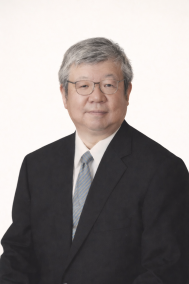
Prof. Takashi Nakagawa
President, Board of Directors
I was elected as the 20th Society President of the Japan Society of Otorhinolaryngology–Head and Neck Surgery at the Board of Directors meeting held during the Annual Meeting of the Society in Sendai in May 2026. It is a profound honor, and I feel a deep sense of responsibility as I assume this role. I am committed to contributing to the continued advancement of the field of otorhinolaryngology–head and neck surgery.
Founded in 1893, our Society has a history spanning 133 years. It plays a vital role not only in the academic development of otorhinolaryngology–head and neck surgery, but also in the fields of healthcare, welfare, and education, ensuring that specialized knowledge is returned to society. The existence of 15 related societies reflects the breadth and diversity of our clinical domain. Together with the Japan Otorhinolaryngologists Association, we will continue to strengthen our field and contribute to healthcare, welfare, and education.
Over the past two decades, otorhinolaryngology–head and neck surgery has undergone dynamic transformation. In clinical practice, we have seen remarkable progress in minimally invasive endoscopic surgery in rhinology, otology, and head and neck surgery; the introduction of auditory implants; robotic surgery and photoimmunotherapy for head and neck cancer; and treatments using immune checkpoint inhibitors. Team-based medical care has expanded treatment possibilities, enhanced safety, and improved quality of life. These developments continue to evolve even today.
Research on hereditary hearing loss, originating from basic science, has advanced toward individualized treatment and shared decision-making with patients. At the same time, we are committed to realizing an inclusive society based on the International Classification of Functioning, Disability and Health (ICF). During the Deaflympics held in Tokyo in the autumn of 2025, our Society and the Japan Otorhinolaryngologists Association provided support from the standpoint of specialists in hearing.
Immunological research has led to the establishment of new disease concepts in rhinology and otology. Treatments based on these fundamental insights have already begun. In the field of balance disorders, new approaches are now available for conditions such as persistent postural-perceptual dizziness and age-related vestibular dysfunction, which previously had limited treatment options. Clinical care has also progressed for conditions such as listening difficulties despite normal audiometric test, and spasmodic dysphonia, for which diagnosis and treatment were once challenging. Sleep disorders, increasingly recognized in recent years, have also become an important area of focus.
Japan is facing the world’s most advanced super-aging society, and national efforts are underway to extend healthy life expectancy and maintain quality of life. Our specialty covers a wide range of sensory systems, including hearing, smell, taste, and balance. As a Society, we place strong emphasis on addressing age-related diseases. We have conducted a nationwide public awareness campaign through AC Japan to promote early intervention for age-related hearing loss. In 2026, we highlighted headphone and earphone-related hearing loss, which may affect the future hearing of younger generations.
Unfortunately, hearing health has long been under-recognized at the societal and governmental levels. However, the establishment of the Parliamentary Association for Hearing Loss Measures and the release of the Japan Hearing Vision represent major steps forward. Our Society and the Japan Otorhinolaryngologists Association are working in alignment as academic partners toward shared goals. Lifelong hearing care, appropriate provision of hearing aid–related medical services, and improvements in national and municipal systems for hearing disability remain significant challenges.
Swallowing function declines with age, yet timely and adequate intervention is often lacking. As specialists in swallowing disorders, otorhinolaryngologists have not fully fulfilled their societal role in this area. Establishing a system that enables early intervention based on specialized knowledge and providing appropriate care and treatment will greatly improve quality of life for the public. Together with the Japan Otorhinolaryngologists Association, we will accelerate our efforts.
Population decline due to low birth rates has led to demographic imbalances, resulting in urban concentration and rural depopulation, and creating unprecedented regional disparities. Using big data–based future projections, we aim to establish a system that delivers appropriate otorhinolaryngology–head and neck surgery care at the right time. At the same time, it is urgent to utilize telemedicine, online care, and mobile medical services to ensure access to otorhinolaryngology–head and neck surgery care regardless of location. Our goal is to enhance the societal value of otorhinolaryngologists and ensure that they remain indispensable and trusted across diverse fields.
I will devote myself to ensuring that all members can envision a bright future for otorhinolaryngology–head and neck surgery. I sincerely ask for your continued support and cooperation.
Prof. Takashi Nakagawa
President, Board of Directors
Japanese Society of Otorhinolaryngology-Head and Neck Surgery
(August 19th, 2026)
